An introduction to mental training
Contemporary societal changes and the rapid development of technology are having a significant impact on the lifestyles of children and young people, leading to a systematic reduction in physical activity. The predominance of leisure activities involving the use of electronic devices promotes a sedentary lifestyle, which in turn leads to a decline in overall physical fitness, an increase in postural defects, and an elevated risk of overweight and obesity. The literature on the subject emphasises that a lack of physical activity is one of the main factors that negatively impact the somatic and psychophysical development of young people. On the other hand, physical activity serves not only a health-related function but also an educational and social one, influencing the development of attitudes, value systems and psychosocial competencies.
In this context, forms of activity that combine physical development with an impact on an individual’s mental well-being are of particular importance. One such form is karate, which is both a sport and an educational system based on a specific philosophy. Karate originates from the traditions of Okinawa, and its modern form was shaped, among others, by Gichin Funakoshi, who contributed to its popularisation in Japan and around the world. In its traditional form, karate is referred to as a ‘way’ (karate-do), which emphasises its nature as a process of long-term human development, encompassing both the body and the mind.
A key element of this philosophy is the belief in the inseparable link between physical and mental preparation. In training practice, this is reflected in the pursuit of harmony between technique, physical fitness and the competitor’s mental state. Concepts such as zanshin, mushin and kime reflect the deep-rooted nature of psychological elements within the structure of karate training. Zanshin refers to a state of constant alertness and readiness to act, mushin denotes action free from excessive analysis and cognitive tension, and kime indicates the ability to concentrate energy to the maximum at a given moment. Although these categories originate from Eastern traditions, they are reflected in contemporary concepts of sports psychology.
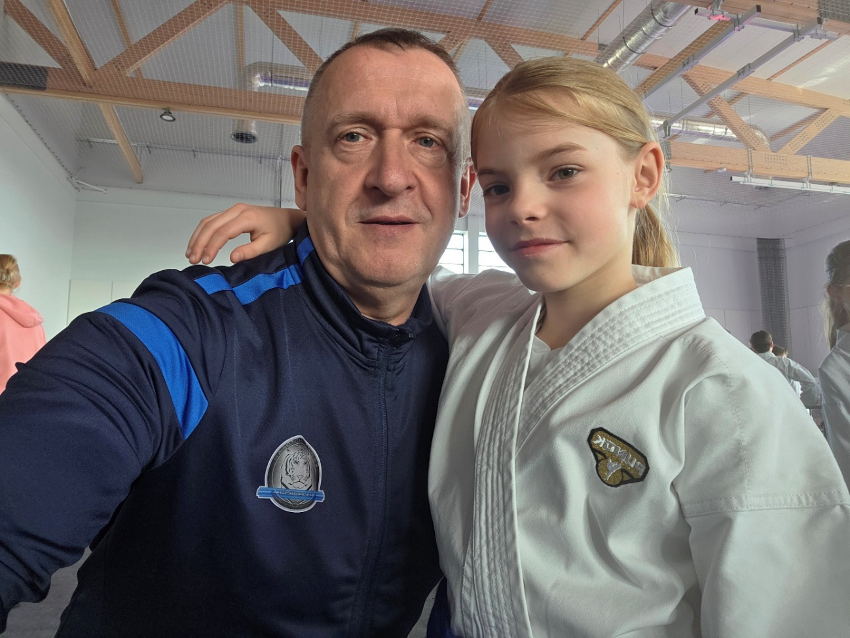
Source: Author’s own materials
In contemporary competitive sport, the importance of psychological preparation as one of the key determinants of sporting achievement is increasingly emphasised. When the physical and technical fitness of competitors is similar, it is mental factors that determine whether a competitive advantage is achieved. In this context, the concept of mental training is being developed, understood as a purposeful and systematic process of developing psychological skills that support effective performance in situations requiring high operational efficiency.
Mental training encompasses a wide range of interventions, including developing the ability to focus attention, regulating emotions, building mental resilience, strengthening motivation, and shaping a positive self-image. The literature indicates that these competencies are universal in nature and can be developed regardless of the athlete’s level of advancement in sport. However, their importance is particularly evident in disciplines that require rapid decision-making, precision of execution and resilience to stress, which undoubtedly include karate.
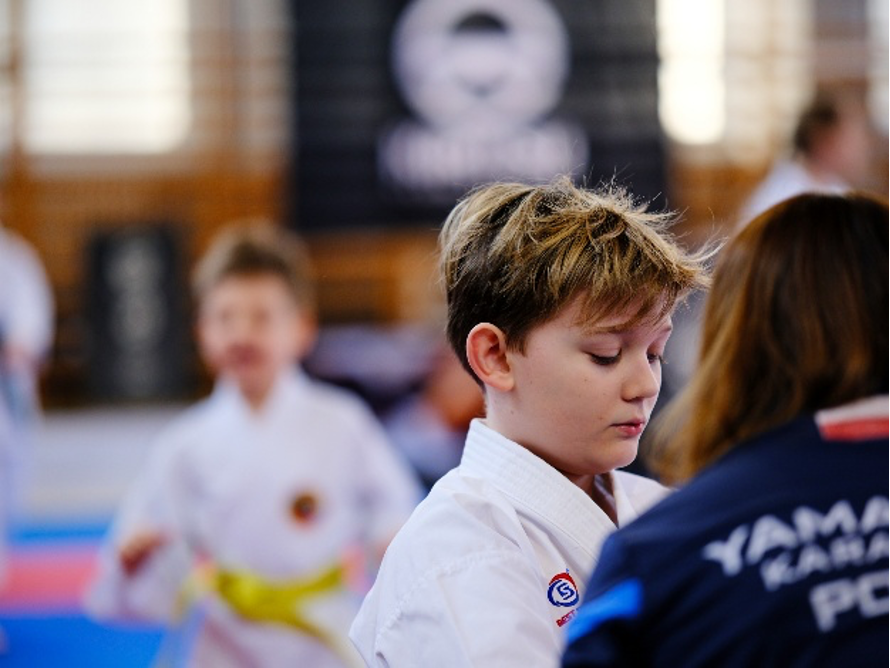
Source: Author’s own materials
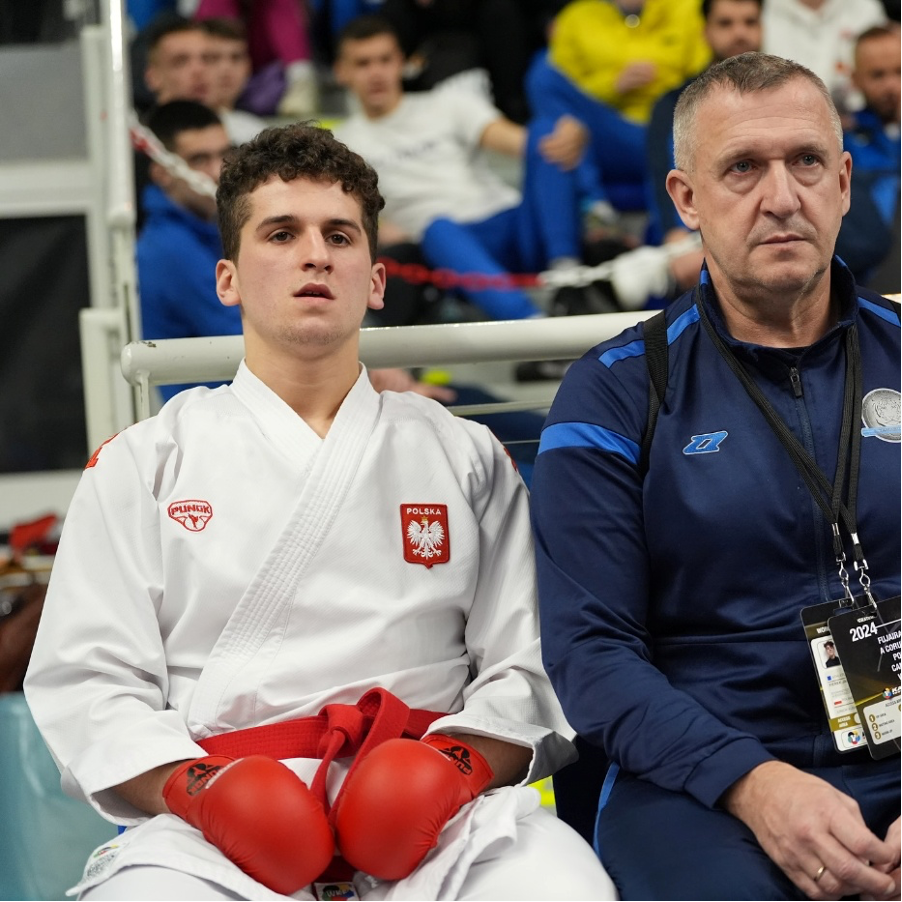
Source: Authors’ own materials
In practice, mental training is based on the use of a variety of methods and techniques whose effectiveness has been confirmed in numerous empirical studies. One of the most important techniques is visualisation, also known as imagery training. It involves creating detailed mental representations of the motor actions performed or of entire sporting situations. This process engages similar neural structures to those involved in the actual execution of movement, which helps to consolidate motor patterns and improve coordination. Visualisation can focus on both the perfect execution of a technique and coping with difficult situations, which helps to increase a sense of control and self-confidence.
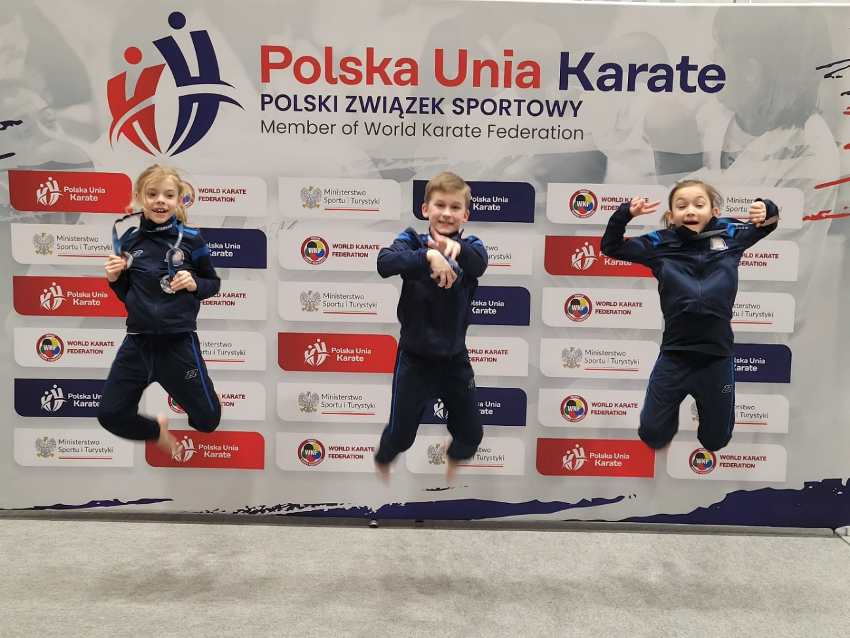
Source: Author’s own materials
Another important element of mental training is the use of attention-focusing techniques. Concentration is the ability to selectively focus on relevant stimuli while ignoring distracting factors. In the context of competitive sport, this ability is crucial, as it enables athletes to maintain a high level of performance despite time pressure and the presence of external stressors. Concentration training can include both static and dynamic exercises, carried out under conditions similar to those encountered in competition.
Arousal regulation techniques, including breathing and relaxation exercises, also play an important role. These techniques enable athletes to control their level of psychophysical tension, which has a direct impact on the quality of their performance. Excessively high levels of arousal can lead to errors and a loss of control over performance, while excessively low levels result in reduced mobilisation. Therefore, the ability to maintain an optimal level of arousal is one of the key elements of mental preparation.
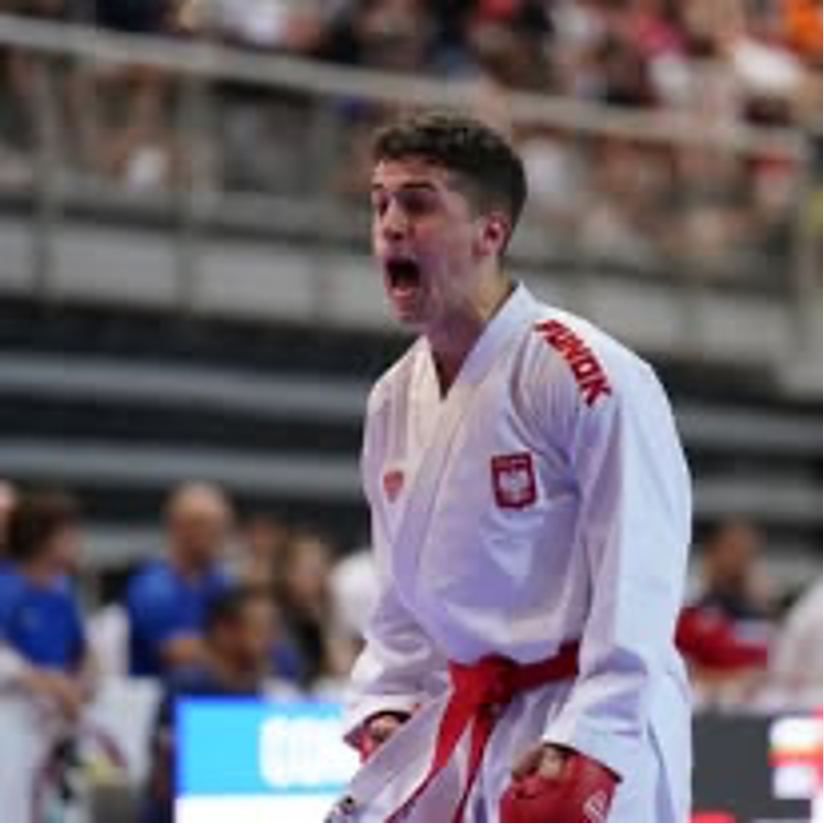
Source: Author’s own materials
In the context of karate, the application of mental training in the two core sporting competitions, kata and kumite, is of particular importance. Although both forms originate from the same tradition, they differ significantly in terms of their psychological requirements, which determines the specificity of the training methods used. Kata is a form of presentation of a fixed sequence of techniques, performed with precision and in accordance with defined standards. It requires not only a perfect knowledge of the sequence of movements, but also complete control over the body, rhythm and expression. In this case, the ability to maintain uninterrupted concentration throughout the entire duration of the performance is of paramount importance.
Mental training in kata focuses primarily on developing the ability to visualise and control attention. A competitor who can accurately visualise the sequence of movements to be performed is better able to prepare for executing it under competition conditions. Visualisation also helps to reduce performance anxiety and boost self-confidence. Breath control is also a key element, as it affects the rhythm and fluidity of movement and helps maintain an appropriate level of concentration.
In turn, kumite, as a form of direct combat sport, is characterised by high variability and unpredictability. The competitor must constantly monitor the situation, analyse their opponent’s behaviour, and make rapid decisions regarding the selection of appropriate techniques. In this context, the ability to perform under pressure and maintain emotional control is particularly important. The state of mushin, which involves reacting spontaneously and intuitively, is one of the key objectives of mental training in kumite.
In kumite training, developing reaction speed and the ability to anticipate the opponent’s actions plays a significant role. Visualisation can be used to simulate various combat scenarios, enabling athletes to better prepare for real-life situations. Working on emotional regulation is equally important, as excessive excitement or stress can lead to tactical errors. Breathing techniques and brief relaxation exercises used before and during a bout help maintain psychophysical balance.
The role of motivation and self-efficacy in the mental preparation process also cannot be overlooked. Competitors who have a high level of belief in their own abilities are more resilient in the face of setbacks and more committed to the training process. Self-confidence can be built by analysing past successes, setting realistic goals and engaging in positive self-talk.
However, the importance of mental training extends beyond the realm of competitive sport. The skills developed through mental training are applicable in many other areas of life, such as education, work and social relationships. The ability to concentrate, resilience to stress, the capacity to regulate emotions, and consistency in pursuing goals are universal competencies that support an individual’s effective functioning in various life situations.
As a discipline that combines physical, technical and mental elements, karate provides particularly favourable conditions for developing these competencies. Regular training, based on clearly defined principles and values, helps to develop attitudes such as discipline, perseverance, responsibility and respect for others. In this context, mental training is not merely a supplement to sports preparation, but an integral part of the educational process.
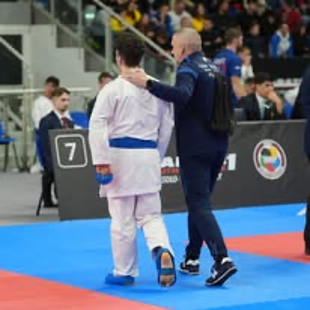
Source: Author’s own materials
In summary, mental training plays a fundamental role in the preparation of karate athletes, influencing both the level of sporting performance achieved and the development of personality. By integrating traditional elements of karate philosophy with modern methods of sports psychology, it is possible to develop comprehensive training programmes that meet the demands of contemporary sport. In the face of increasing competition and ever-higher expectations placed on athletes, the importance of mental preparation is likely to continue to grow, becoming one of the key areas of development in sport.
Bibliography
- Timothy Gallwey, The Inner Game of Tennis, Random House, New York, 2008.
- Jarosław Kaczmarek, Trening mentalny w sporcie, AWF, Poznań, 2017.
- Robert Weinberg, Daniel Gould, Foundations of Sport and Exercise Psychology, Human Kinetics, Champaign, 2019.
- Jim Loehr, The New Toughness Training for Sports, Penguin Books, New York, 1995.
- Carol Dweck, Mindset: The New Psychology of Success, Random House, New York 2006.
- Anders Ericsson, Robert Pool, Peak: Secrets from the New Science of Expertise, Houghton Mifflin Harcourt, Boston 2016.
- Martin Seligman, Learned Optimism, Vintage Books, New York, 2006.
- Terry Orlick, In Pursuit of Excellence: How to Win in Sport and Life through Mental Training, Human Kinetics, Champaign, 2008.